Photo Footcare Center of Palm Beach
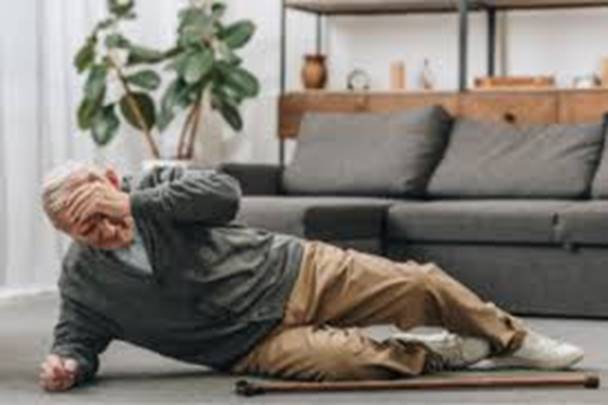
Most Falls Happen at Home. Here Are Five Easy Ways to Prevent Them
By Lousia Kamps
It’s wise to look out for cracked footpaths and uneven curbs, but most of the trips and slips that require emergency care occur indoors, with almost 80 per cent of those happening at home.
This is probably because people spend most of their time inside, says Suzanne Morley, a health educator with the Wisconsin Institute for Healthy Ageing. And while tripping or slipping can happen at any age, older adults are more likely to fall down.
The good news: many falls are preventable, and there are simple things you can do to reduce the risk to yourself or someone you care about, like an elderly parent or relative.
How to prevent falling
People can be “very, very good at predicting” when they’re more likely to fall, says Susan Stark, a professor of public health, occupational therapy and social work at Washington University. Take note of when once-easy activities, like carrying groceries up the stairs or getting up from the toilet, become more of a struggle, she explains, and use that information to mitigate your risks.
Exercises that build balance and strength can lower your overall chance of falling, but eliminating hazards around your home can also help. In 2023, Stark and other researchers published a review of 22 studies on home-based fall-prevention programs for older adults, and they found that removing common hazards – like poorly lit landings and stairs without railings – cut falls by up to 38 per cent.
Stark also recommends scheduling a home visit with an occupational therapist or fall-prevention specialist to help you troubleshoot.
Here are five other ways you can reduce your chances of falling:
Eliminate clutter and stabilize rugs
Boxes, books, clothing and other items left out and underfoot are major contributors to falls at home, so Morley suggests removing floor-level clutter. Clear tables and countertops, too, she adds: if you slip and need to lean or grab a surface, any pileup could get in the way of stopping your fall, she says.
Stark also recommends using double-sided rug tape to secure rugs or carpet edges. And if you have a kitchen mat, consider using one with rubber backing, she says.
Buy and install support
If your back or hip aches while you’re cooking, try an adjustable height perching stool, says Stark. If getting up from the toilet feels precarious, consider adding toilet rails or a raised assistive toilet seat, she adds.
People often balk at the suggestion to add hand rails, fearing they’ll mar their walls or bathroom tiles, but they can effectively prevent falls, says Dr Lawrence Melniker, an emergency physician at New York-Presbyterian Brooklyn Methodist Hospital.
Rearrange storage
The mere mention of climbing up on a wobbly chair or counter to reach a kitchen shelf makes fall-prevention experts shudder. So, move things that you use regularly “down to eye level,” Melniker says.
Greg Jones, a nurse and injury prevention and outreach coordinator at Cedars-Sinai, also recommended repacking the contents of large items – big sacks of rice or jugs of laundry detergent – into smaller containers that are easier to lift.
Adjust lighting
Many falls occur when people get up to use the bathroom at night, and dim lighting is often a factor, Stark says. With age, “our vision changes, and we can’t adjust to darkness or dim lighting as well as we used to,” she says.
So, make sure there’s adequate light throughout your house and especially in places where judging distance is critical, such as stairs and landings, Stark says. To help you get to the bathroom safely at night, she also recommends adding battery-operated motion-sensor lights about 30 centimeters from the floor. They come with peel-and-stick backing and are “super easy to install,” she says.
Don’t multitask
Falls often occur when people are trying to do more than one thing at a time: walking while talking, or turning back to grab something as you’re moving forward. So, it’s important to focus on how you’re moving and try “do one thing at a time,” Melnicker says.
“Think about being very purposeful and clear-minded about performing each task individually,” he says. – The Age, The New York Times