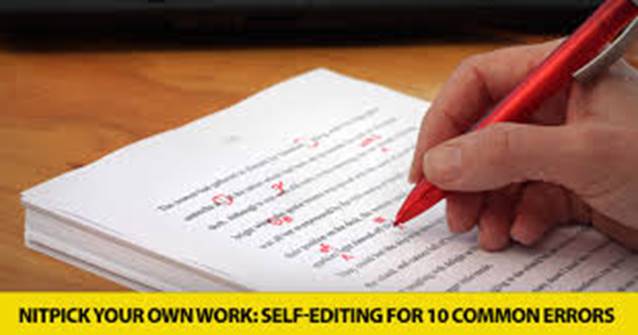
The Grammar Police: When Correcting Others Goes Too Far
The Fine Line Between Helpful and Annoying
Correcting grammar can be a helpful way to promote clear communication . However, there’s a fine line between being genuinely helpful and coming off as condescending. While language has rules, it also evolves over time, and an obsession with correctness can sometimes do more harm than good. The so-called “Grammar Police” often cross that line, turning simple conversations into battlegrounds of linguistic superiority rather than mutual understanding.
While accuracy in language matters, especially in professional and academic settings, excessive nitpicking can make people feel self-conscious, discouraged, or even resentful. Instead of fostering learning, constant corrections may create unnecessary tension. But where exactly is the line between helpful guidance and overbearing enforcement?
Why People Become Grammar Police
The urge to correct others often stems from a deep appreciation for language. Some individuals genuinely love grammar and believe they are helping others by pointing out mistakes. For them, proper grammar isn’t just about rules—it’s about clarity, professionalism, and even respect for language itself.
Others, however, use grammar corrections as a way to assert intellectual dominance. In such cases, pointing out mistakes isn’t about helping someone improve but about proving one’s own superiority. These self-appointed enforcers often take pride in their ability to spot the smallest errors, wielding their knowledge as a weapon rather than a tool for improvement.
For some, being part of the Grammar Police provides a sense of order in a world full of ambiguity. In their minds, enforcing grammatical correctness is akin to upholding a universal truth, making the act of correcting others feel almost like a moral duty.
When Grammar Policing Goes Too Far
There are times when correcting someone’s grammar is appropriate—such as when editing a professional document or helping a student improve their writing. But there are also moments when it is unnecessary, distracting, or even rude.
One major problem with excessive grammar policing is that it can stifle communication. When people fear being judged for minor mistakes, they may hesitate to speak or write at all. This is particularly damaging in creative spaces, where self-expression matters more than rigid adherence to grammar rules.
Grammar policing can also be exclusionary. Not everyone speaks or writes in the same way, and linguistic diversity is a key part of culture. People who speak English as a second language, those from different dialectal backgrounds, or individuals with learning disabilities may struggle with certain grammatical conventions. Instead of being judgmental, we should aim for inclusivity and understanding.
Additionally, some grammar “rules” are outdated or overly prescriptive. Language evolves, and what was once considered incorrect may now be widely accepted. Insisting on rigid adherence to outdated norms ignores the natural development of communication.
The Social Cost of Overcorrection
When grammar policing becomes excessive, it creates an atmosphere of frustration and hostility. Conversations become less about exchanging ideas and more about catching mistakes. Overcorrection can also come across as passive-aggressive, signaling that the corrector cares more about being right than about engaging in meaningful discussion.
Correcting grammar in casual conversation can make interactions feel stiff and unnatural. Imagine someone sharing an exciting story, only to be interrupted with, “Actually, it’s ‘whom,’ not ‘who.’” The correction does nothing to further the discussion and only serves to derail the moment.
On social media, where informal writing dominates, grammar policing is often met with irritation. The goal of online conversations is usually quick communication, not perfect syntax. Commenting “your*” under someone’s post, while technically correct, often adds nothing of value and may come across as unnecessarily critical.
When and How to Correct Grammar Properly
While excessive correction is problematic, there are situations where pointing out grammatical errors is both useful and appreciated. The key is to consider context, intent, and delivery.
Consider the Context
If the mistake appears in a formal setting, such as a business email, an academic paper, or a professional publication, a correction might be warranted. However, in casual conversations, text messages, or social media posts, minor errors usually don’t impact comprehension and can be ignored.
Assess Your Intent
Are you correcting someone to genuinely help them, or is it more about proving a point? If your motivation is to make yourself look smarter rather than to assist, it’s probably best to keep the correction to yourself.
Be Tactful
Instead of bluntly stating, “You’re wrong,” try a gentler approach. Phrasing corrections as suggestions rather than criticisms makes them more palatable. For example, “I think it might be ‘its’ rather than ‘it’s’ in this case,” sounds more helpful than a harsh, “You used the wrong word.”
Pick Your Battles
Not every grammatical mistake needs to be addressed. If the error does not impact meaning or clarity, it may not be worth correcting. Focus on mistakes that genuinely hinder understanding rather than minor stylistic preferences.
Embracing a More Forgiving Approach
Language is a living, breathing entity, constantly changing to fit the needs of its speakers. Instead of clinging to rigid rules, embracing flexibility can lead to richer communication . Informal speech, slang, and dialects all contribute to the richness of a language, and dismissing them in favor of strict grammatical precision can erase valuable cultural and linguistic diversity.
Books & Literature
Learning to let go of minor errors can improve relationships and foster more open conversations. Instead of focusing on mistakes, we should appreciate the effort people put into communicating , even if their grammar isn’t perfect. After all, language is ultimately about connection, not perfection.
Rather than acting as the Grammar Police, we can be guides—offering help when needed but allowing room for natural expression. A well-timed correction can be beneficial, but an obsession with correctness can do more harm than good. In the end, the goal should be understanding, not nitpicking.
So, the next time you spot a grammatical error, ask yourself: does correcting it truly add value, or is it just an exercise in linguistic one-upmanship? If it’s the latter, perhaps it’s best to let it slide and focus on what really matters—what’s being said, rather than how it’s being said. - Words Trivia